Coffee
What Is Dirty Coffee? Layers, Texture and the First Sip
Hot coffee, chilled milk and a changing first sip: understand dirty coffee and choose between classic and flavored styles at Baboon.
In this story
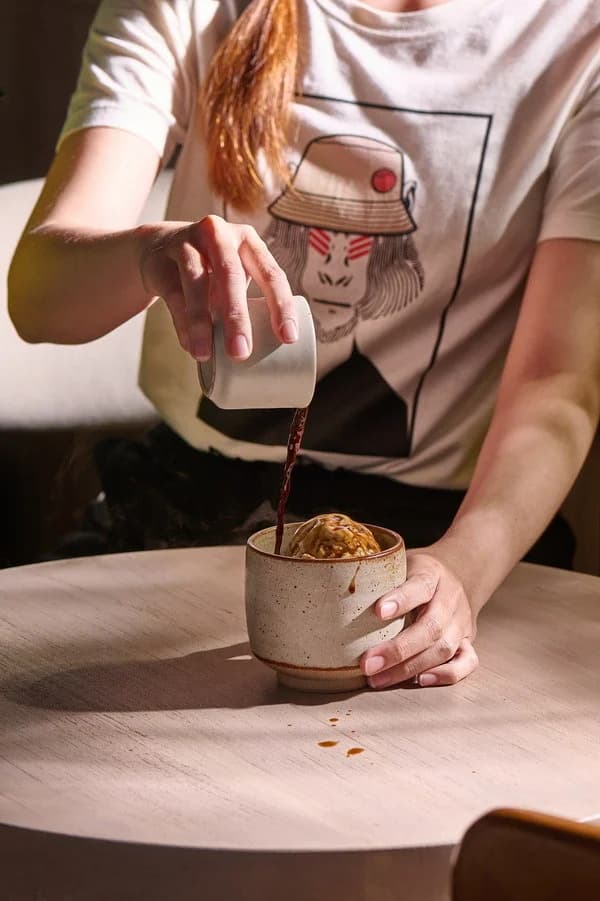
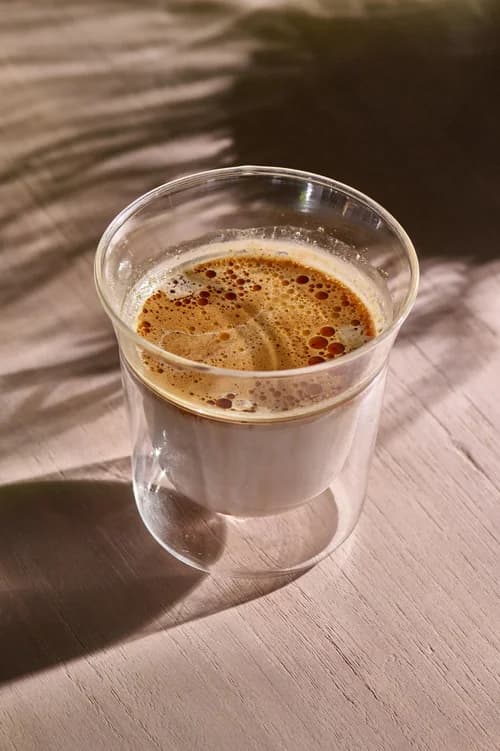
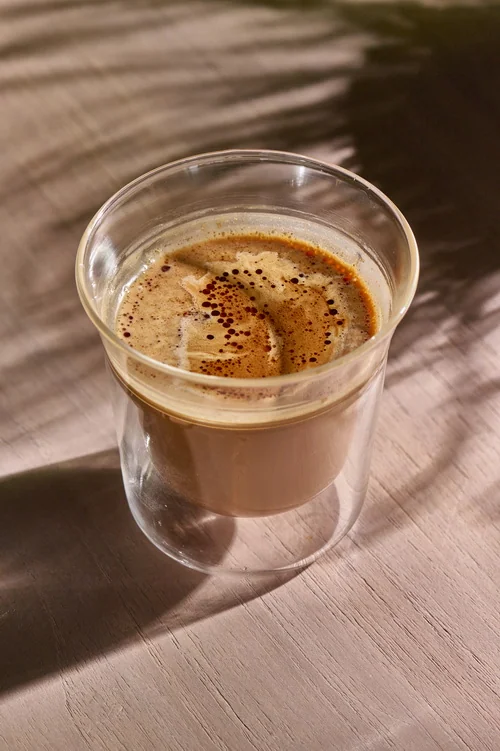
Dirty coffee usually means hot espresso poured over very cold milk, creating a dark coffee layer above a pale base. Its appeal is the contrast: concentrated coffee first, cool milk beneath, and a changing mixture as you drink. The name describes the streaks of coffee moving through the milk.
At Baboon in Wichit, the drinks menu lists Classic Dirty, Caramel Dirty and Pistachio Dirty. These are useful starting points whether you want to understand the basic style or choose a flavored version. The exact milk mixture, coffee dose and preparation are house details, so ask the team if one of those matters to your order.
Why the layers make a difference
A glass of dirty coffee can contain ingredients you already know and still feel different from your usual latte. Because the coffee and milk begin in separate layers, the first mouthful need not taste like the last. You may notice a pronounced coffee opening followed by a softer, milkier finish.
That contrast is temporary. Heat moves through the drink, the coffee and milk mingle, and lifting the glass changes the layers. It is a drink worth paying attention to when it arrives. Take your photograph if you want one, then let the first sip be part of the experience rather than waiting until everything has blended.
There is no single universal recipe behind the name. Some preparations use a richer milk base, and flavored versions introduce another element. A glossy photograph cannot tell you whether cream, syrup or a particular milk is involved. The general definition explains the style; the menu and the team explain the glass in front of you.

Dirty coffee versus an iced latte
| Detail | Dirty coffee, typically | Iced latte, typically |
|---|---|---|
| Basic structure | Hot espresso over chilled milk | Espresso and cold milk served with ice |
| First impression | A noticeable coffee layer and temperature contrast | A cooling milk-coffee drink |
| Ice | Often omitted to preserve the milk texture | Usually part of the drink |
| How it changes | Layers mingle and temperatures settle | Ice melts and the mixture becomes more diluted |
| Good reason to choose it | You enjoy a short, changing coffee experience | You want a cold coffee to sip more gradually |
These are common patterns, not requirements every cafe follows. Neither style is automatically stronger in caffeine. A small, intense-tasting drink can use the same amount of coffee as a larger, milkier one. If caffeine or shot count matters, ask about the actual recipe instead of using glass size as a guide.
Dirty coffee also differs from a dirty chai. In a dirty chai, “dirty” usually refers to adding espresso to a chai drink. A classic dirty coffee does not need tea or spices. When ordering somewhere unfamiliar, saying the complete drink name avoids an easy misunderstanding.
How to drink dirty coffee
Try the first sip without stirring. Sip from the rim so that you can experience the coffee and milk together, and take care because the upper coffee layer may still be hot. You do not need to drink quickly or follow a performance ritual. A small, comfortable sip is enough to notice what makes the style different.
- Look at the layers when the glass arrives.
- Take a careful sip from the rim before mixing.
- Notice how the coffee intensity and milk texture meet.
- Compare a later sip as the drink becomes more integrated.
- Stir if you prefer a consistent flavor through the remaining drink.
Stirring is a preference, not a mistake. It reduces the layered effect and gives you a more even mixture. If you find the first coffee-heavy sip too intense, a gentle stir may be exactly what makes the drink enjoyable for you.
A straw changes which layer reaches you first. Starting low in the glass may give you mostly milk rather than the coffee-and-milk contrast at the rim. That can be pleasant too, but it answers a different tasting question. Start simply, then drink it the way you like.
Choosing a dirty coffee at Baboon
Classic Dirty
Choose the classic when you want the clearest introduction to the style. It gives you a straightforward reference for deciding whether you enjoy the contrast of coffee and chilled milk. Ask about added sweetness if you prefer an unsweetened drink; “classic” is a menu name, not a guarantee of a particular ingredient list.
Caramel Dirty
Caramel is a useful direction if you already enjoy caramel with coffee. Before ordering, ask how sweet the preparation is and whether any adjustment is possible. A flavored component can be part of a prepared base, so a request for less sweetness may not work the same way as reducing syrup in another drink.
Pistachio Dirty
Pistachio gives you another flavored route into the dirty family. If nuts are an allergy concern, raise that before ordering and ask about the full preparation. A flavor name tells you the direction of the drink, but it does not list every ingredient or establish how equipment is handled.
Place it in your cafe visit
Dirty coffee works well when the drink itself is what you want to explore. If you are ordering it with breakfast, taste it when it arrives and then return to your meal. For ideas on choosing a plate, see our breakfast guide to Baboon and the food menu.
If you would rather have coffee as a dessert, an affogato offers a different hot-and-cold contrast using ice cream. If you want to focus on beans and coffee flavor more broadly, our specialty coffee guide helps you put your preferences into words.
Baboon is in Wichit, behind Three Monkeys. Check the location details before setting off, or book a table when you are arranging a visit with others. Bring a familiar preference, such as “less sweet” or “I like a strong coffee taste,” and use it as the start of the conversation.
Dirty coffee questions
Is dirty coffee served hot or cold?
It commonly combines hot espresso with chilled milk. The contrast is part of its appeal, although the temperatures become more even as the drink sits.
Should I stir dirty coffee?
Try an unstirred sip first if you want to experience the layers. Stirring afterward is fine if you prefer a more consistent flavor.
Does dirty coffee always contain cream?
No universal recipe requires it. Milk bases vary, so check the ingredients of the particular drink rather than assuming from its appearance.
Is dirty coffee stronger than an iced latte?
It may taste more concentrated at first, but caffeine depends on the coffee used and its dose. Taste intensity alone does not establish caffeine content.
Which dirty coffees are on Baboon’s menu?
The published menu lists Classic Dirty, Caramel Dirty and Pistachio Dirty. Check availability and ingredient questions with the team when ordering.
Coffee reference
For background on the layered style, see Perfect Daily Grind’s interviews with people who prepare dirty coffee. Baboon’s menu remains the reference for its listed options.