Coffee
Specialty Coffee in Phuket: What to Ask Before You Order
Turn coffee preferences into a clear order, from body and roast character to milk drinks, single origins and the right questions at the counter.
In this story
Choosing specialty coffee in Phuket gets easier when you start with a taste preference instead of a list of technical terms. Do you like a rounded coffee with milk, a bright black cup, or a short espresso with a lingering finish? That answer gives the person taking your order something useful to work with.
At Baboon, in Wichit behind Three Monkeys, the drinks menu spans classic coffees and more playful creations. You can keep your order familiar or use it to explore. A good first question is simply: “Which available coffee would suit the way I like to drink it?”
What specialty coffee actually means
The Specialty Coffee Association describes specialty coffee through distinctive attributes and the value people place on them. That is broader than a single drink recipe or a particular piece of equipment. It gives you a reason to ask what makes a coffee distinctive, rather than assuming the label tells you exactly how it will taste.
A useful conversation might cover where the coffee was grown, how it was processed, how it was roasted, and what flavors the person brewing it notices. You do not need all of that information before you can enjoy a cup. One or two details can be enough to connect the menu to your preferences.
“Specialty” also does not require you to drink black coffee. Milk, temperature and the format of the drink affect the experience you want. An espresso-based milk drink can be your preferred way to enjoy coffee; choosing it is not an admission that you failed a tasting exercise.
Describe the cup you want in ordinary words
Try separating flavor, texture and intensity. Flavor is what the coffee reminds you of. Texture is how it feels in your mouth. Intensity is how concentrated or forceful it seems. Saying “strong” alone can mean any of these, and it can also mean more caffeine to the person hearing it.
| If you usually say | A clearer description | A useful follow-up |
|---|---|---|
| I want strong coffee | I want a pronounced coffee taste | Would you suggest a smaller milk drink or another style? |
| I dislike sour coffee | I prefer rounded flavors over sharp fruit-like acidity | Which available beans suit that preference? |
| I want something smooth | I like a soft finish and moderate bitterness | How would this coffee taste black or with milk? |
| I want to try something new | I usually drink a latte and would like one step beyond it | Which drink keeps something familiar while changing one element? |
Examples from food can help without becoming a vocabulary test. You might like the bitterness of dark chocolate, the freshness of citrus, or the rounded impression of nuts. These comparisons describe perception; they are not necessarily ingredients added to the coffee.
Choose the drink format before chasing details
For a clear coffee reference
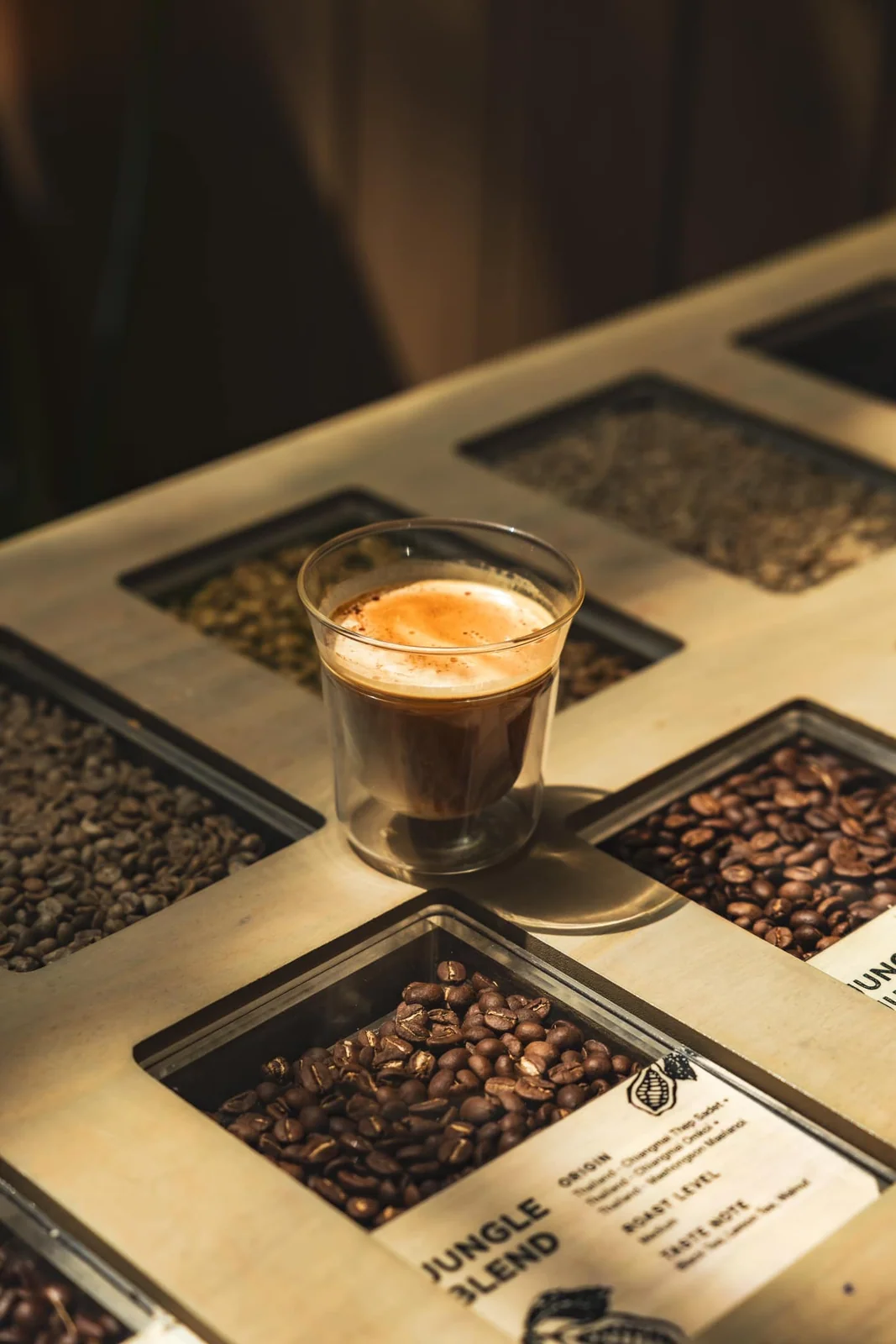
An espresso is a concentrated starting point, while an Americano adds water to an espresso base. Both appear on Baboon’s menu. If you want to learn what you enjoy, order a familiar format first and change the coffee choice when options are available. Changing everything at once makes it harder to tell what you liked.
For coffee with milk
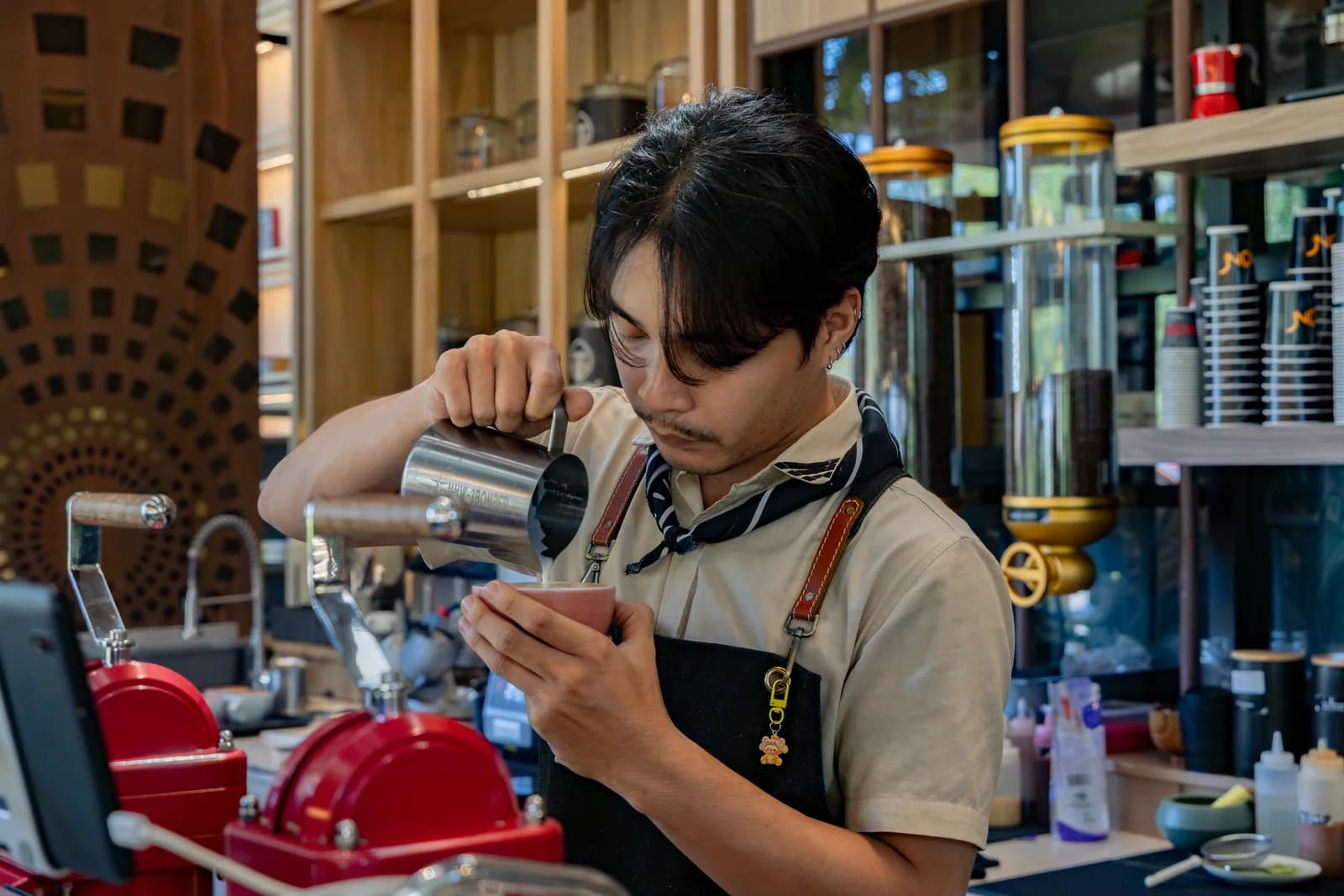
Look at the latte, cappuccino and flat white choices and ask how they are served. Cup sizes, coffee doses and milk texture can vary between cafes. Instead of expecting a name to guarantee a precise ratio, explain whether you want more milk softness or a more noticeable coffee flavor.
For a signature drink
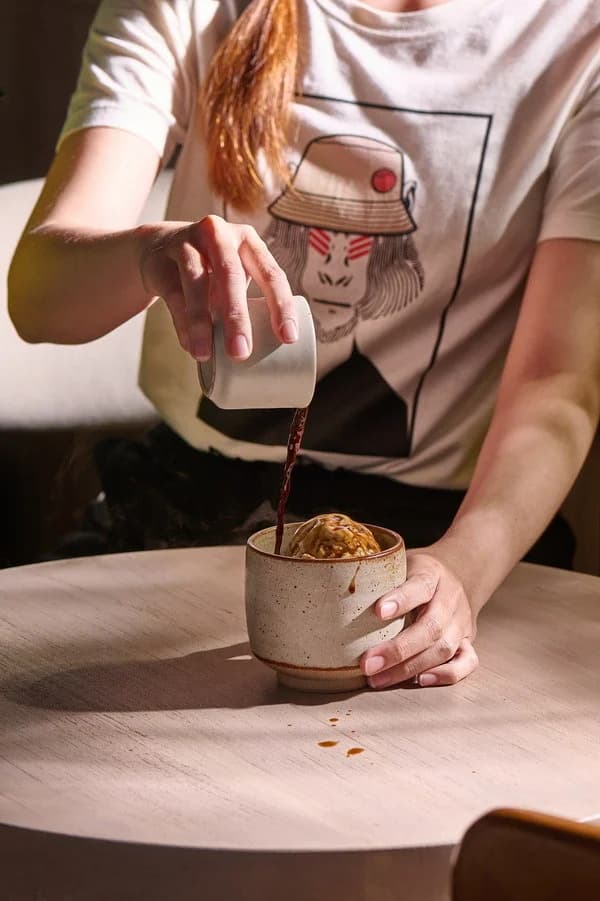
A signature coffee is a different kind of exploration: the coffee becomes part of a combined flavor. Read the full description before choosing, particularly when it includes sauces, creams or other additions. If your aim is to compare beans, a simpler drink makes that comparison easier; if your aim is an enjoyable treat, the combination may be exactly the point.
Our dirty coffee guide explains one milk-and-coffee style in more detail. It is useful when you want a changing, layered experience rather than an evenly mixed drink.
Ask about the beans that are actually available
The Baboon menu lists a single-origin add-on, which gives you a useful question to ask. Confirm the current origin, the drinks it can be used in, and what flavor difference the team expects. A single-origin label identifies a source more narrowly than a blend, but the exact level of detail can vary.
Neither a single origin nor a blend is automatically the right answer for every drinker. A blend can be chosen for balance across its components. A single-origin coffee can make a particular source easier to discuss. Decide according to the cup you want, not an assumed hierarchy.
If you are curious about coffee grown in Thailand, read our Thai coffee bean guide and ask which origins are available at Baboon. General information about a growing region does not establish what a cafe is brewing that day.
Keep brewing method and caffeine questions separate
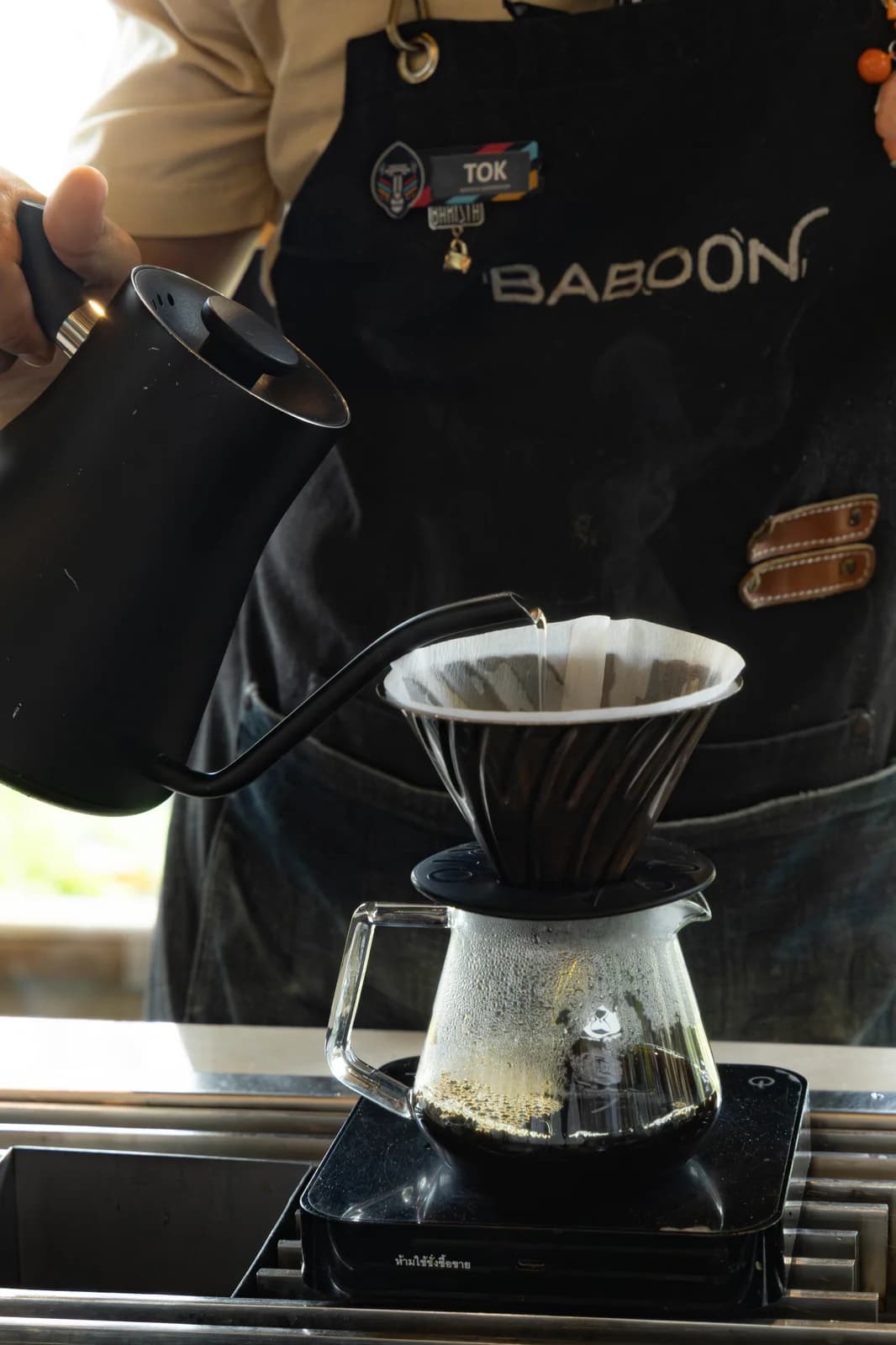
If you want a manually brewed coffee, ask which methods are currently offered before planning your order around one. The slow bar guide explains how to approach that conversation. A cafe’s specialty positioning does not by itself promise every brewing method.
If caffeine is your main concern, ask about the specific drink and beans. A darker appearance, more bitterness or a smaller cup is not a measurement of caffeine. Decaf is a separate question too: confirm which preparations can use it, and remember that decaffeinated coffee still contains some caffeine.
Turn the visit into a useful tasting memory

You do not need a score sheet. Remember three things: what you ordered, whether you liked it, and what you would change next time. “More coffee flavor, less sweetness” is a practical result. So is discovering that you prefer your familiar latte to a more unusual drink.
If you are visiting with someone else, choose different drinks only if you both want to. Comparing a sip can be interesting, but your own enjoyment remains the purpose of the order. Add food from the kitchen menu when it suits your appetite, and let the coffee be one part of the occasion.
Find Baboon through the contact page or reserve a table for a planned visit. Bring a preference and a little curiosity; the technical language can come later.
Specialty coffee questions
Do I have to drink specialty coffee without milk?
No. Choose the drink you enjoy. Milk changes the experience, but it does not make your preference less valid.
Are tasting notes added flavors?
Not usually when they describe an unflavored coffee. They are comparisons used to describe taste and aroma. A signature drink’s ingredient list is a separate matter.
Does Baboon offer a single-origin option?
The drinks menu lists a single-origin add-on. Ask which coffee is available and which drinks it can be used in before ordering.
Is specialty coffee always light-roasted?
No. The term is not a fixed roast instruction. Ask about the character of the available coffee and choose according to your taste.
Coffee reference
For the industry definition, see the Specialty Coffee Association’s explanation of specialty coffee.